

Blog
7 Essential Features of a Durable Everyday Bag

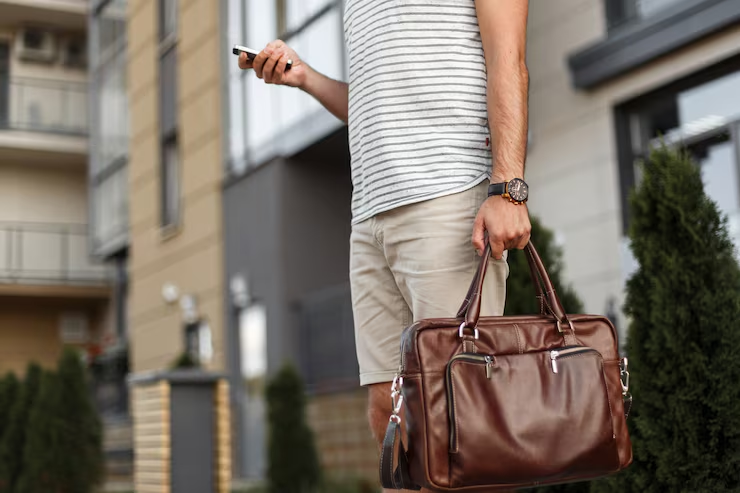
An everyday bag is more than a fashion accessory — it’s your daily companion. It carries your essentials, supports your routine, and withstands the wear and tear of everyday life. Whether you’re heading to work, college, travel, shopping, or casual outings, the right everyday bag should combine durability, style, and functionality. But with so many options available, how do you identify a bag that can truly last?
This detailed guide breaks down the 7 essential features that make an everyday bag durable, long-lasting, and worth every rupee you spend. By the end, you’ll know exactly what to look for when choosing your next bag — whether it’s a backpack, tote, messenger bag, laptop bag, or crossbody.
1. High-Quality Material: The Foundation of Durability
The material of your bag is the biggest indicator of how long it will last. Bags made with low-quality fabric may look good initially, but they quickly fade, tear, or lose shape. Durable bags are crafted from strong, wear-resistant materials designed to withstand daily use.
Best Materials to Look For
-
Polyester: Lightweight, strong, and water-resistant — ideal for school and work bags.
-
Nylon: Known for its exceptional strength and tear resistance.
-
Canvas: Thick and sturdy, perfect for casual or rugged use.
-
Leather / PU Leather: Stylish, durable, and perfect for formal or office settings.
-
Oxford Fabric: Durable, lightweight, and commonly used in travel and laptop bags.
Why Material Quality Matters
Good materials resist scratches, repel moisture, and hold their shape even under heavy loads. Investing in a bag made with premium fabrics ensures your bag looks good and performs well for years.
2. Strong Stitching & Reinforced Seams
Even the best material won’t help if the stitching is weak. Durable bags have double stitching, bar-tacked stress points, and reinforced seams — especially around handles, zippers, and corners where pressure is the highest.
Signs of Strong Stitching
-
Stitches are even and close together, not loose or uneven.
-
Reinforcement at the base, handle joints, and strap points.
-
Thick threads that don’t fray easily.
-
Nylon or polyester stitching rather than cotton threads.
Why Stitching Is So Important
Daily use means constant pulling, lifting, and pressure on the bag. Without strong stitching, handles tear off, straps loosen, and seams split. A well-stitched bag can carry heavy items without giving up.
3. Smooth, Sturdy Zippers & Reliable Hardware
Zippers are often the first thing to break on a bag — and once a zipper is damaged, the bag becomes almost unusable. Durable everyday bags use high-grade zippers, metal hardware, and smooth sliders that don’t snag or get stuck.
What to Look For
-
Metal zippers (more durable than plastic).
-
Heavy-duty pullers that feel strong and smooth.
-
Secure locks, hooks, and adjusters if the bag has straps.
-
Water-resistant zipper designs on laptop or travel bags.
Why Hardware Quality Matters
From opening your bag dozens of times a day to adjusting your strap, hardware experiences constant movement. Poor-quality zippers and buckles can fail unexpectedly. Sturdy hardware ensures your belongings remain safe and your bag functions smoothly.
4. Comfortable & Adjustable Straps
A durable bag must also be comfortable. If you carry your bag daily — whether on your shoulder, as a backpack, or across your body — the straps should not dig into your skin or cause strain.
Key Strap Features
-
Padded straps to distribute weight evenly.
-
Adjustable length for a customized fit.
-
Breathable mesh padding in backpacks for airflow.
-
Thick, sturdy clips and buckles that don’t break easily.
-
Wide straps for better comfort.
Comfort Matters for Durability Too
When straps are uncomfortable, we tend to carry the bag incorrectly, causing strain and putting pressure on different areas of the bag. Poor straps can snap under weight. Quality straps prevent damage and ensure the bag lasts longer and feels good to carry.
5. Smart Storage & Organizational Compartments
A durable everyday bag isn’t just strong — it’s practical. The design should help you organize your essentials without clutter. Whether you’re carrying a laptop, books, wallet, makeup, or travel accessories, a well-designed bag makes your daily routine easier.
Essential Compartments
-
Main large compartment for bigger items.
-
Padded laptop sleeve (for work or college bags).
-
Interior zip pockets for valuables.
-
Front quick-access pockets for mobile, keys, sanitizer, or ID cards.
-
Side pockets for water bottles or umbrellas.
-
Anti-theft hidden pockets for travel.
Why Compartments Matter
A well-organized bag keeps items in place, distributes weight evenly, and prevents wear from items rubbing against each other. It also reduces strain on the material and stitching, improving longevity.
6. Water Resistance & Weather Protection
A sudden rain shower or accidental spill can damage the contents of your bag — especially electronics like a phone or laptop. That’s why water-resistant or waterproof bags are essential for daily use.
How to Check for Water Protection
-
Look for coated materials such as PU, PVC, or nylon.
-
Check if the bag mentions water resistance in specifications.
-
Some bags include water-resistant zippers.
-
Base protection to prevent water seepage when placing it on the ground.
Why Water Protection Matters
Moisture can ruin fabric, damage stitching, and harm the items inside. Bags with water resistance last longer and stay cleaner. Even minimal resistance can protect during unexpected weather.
7. Strong Base & Structured Design
The bottom of the bag experiences the most pressure. A good everyday bag has a reinforced bottom, structured design, and sometimes additional feet or paddings to protect it from wear.
Features of a Strong Base
-
Hard or padded bottom to support heavy load.
-
Extra stitching along the base.
-
Rubber feet that prevent scratches.
-
Shape retention so the bag doesn’t sag.
Why a Strong Base Is Essential
A weak bottom leads to sagging, tearing, or uneven weight distribution. A strong, structured base ensures durability, improves the bag’s shape, and protects your items inside.
Additional Factors That Increase Bag Durability
Beyond the 7 core features, here are a few additional qualities that contribute to a long-lasting bag:
✔ Weight Capacity
Choose a bag designed to carry the weight you need daily.
✔ Easy-to-Clean Materials
Dust-resistant, stain-resistant, and washable materials improve longevity.
✔ Eco-Friendly Fabrics
Recycled polyester, vegan leather, and modern sustainable materials are becoming popular and durable.
✔ Warranty & Brand Reliability
Brands that offer warranty usually use better materials and stand by their quality.
✔ Timeless Design
A bag you can use for years without going out of style is always a smart investment.
How to Maintain Your Everyday Bag for Long Life
To get the best out of your bag, follow these simple maintenance tips:
1. Avoid Overstuffing
Overloading strains the stitching and zippers.
2. Clean It Regularly
Wipe it down with a damp cloth or follow the cleaning instructions based on the material.
3. Store It Properly
Keep it in a dust bag or upright to maintain shape.
4. Avoid Direct Sunlight
Excess heat can fade materials or crack faux leather.
5. Handle with Care
Lift using both straps; avoid dragging or placing on dirty surfaces.
A little care can add years to your bag’s life.
Conclusion
A durable everyday bag is a combination of strong materials, quality construction, smart design, and comfort. Whether you’re buying a backpack for college, a tote for work, a messenger bag for travel, or a casual day bag for outings, keeping these 7 essential features in mind ensures you invest in something that lasts. A good everyday bag doesn’t just look stylish — it provides reliability, convenience, and long-term value.